Table of Contents
Corded or Cordless: Unleashing Power or Unplugging Freedom?
Size Matters: Finding the Goldilocks Router
Power Up: Delving into the Engine Room
Fixed vs. Plunge Base: Making the Right Cut
Diving Deep: Mastering Depth Control of th Woodworking Router
Choosing the Right Bit: Size Matters, But So Does Stability
Beyond the Basics: Features that Enhance Your Routing Experience
Conclusion
Additional Tips
Welcome to the fascinating world of woodworking routers! Whether you’re a seasoned woodworker looking to expand your arsenal or a curious beginner dipping your toes into the craft, understanding routers is crucial. But fear not, for this comprehensive guide will equip you with the knowledge to confidently choose the perfect router for your needs, transforming those intimidating specs into clear choices.
Corded or Cordless: Unleashing Power or Unplugging Freedom?
First things first, power or portability?
Corded Routers: The workhorses of the workshop, corded routers boast unwavering power thanks to direct connection to the grid. This translates to tackling heavy-duty tasks like thick materials or large cutouts with ease. Additionally, their affordability makes them budget-friendly choices for beginners. However, the pesky cord restricts your movement, demanding strategic planning around outlets.
Cordless Routers: Offering the liberating freedom to roam your workshop (or even venture outdoors!), cordless routers are powered by lithium-ion batteries. Technology advancements have significantly improved their capabilities, enabling them to handle most home workshop tasks efficiently. However, battery life and power limitations require strategic planning and potentially having spare batteries at the ready. Consider cordless options if portability is paramount, but for pure muscle, corded reigns supreme.
Size Matters: Finding the Goldilocks Router
Just like clothes, routers come in various sizes, each catering to specific projects:
Full-size Routers: These beasts pack the most punch, ideal for demanding professional applications or heavy-duty tasks. However, their bulk and weight make them less suited for delicate work or small spaces.
Midsize Routers: The most popular choice for their versatility, midsize routers offer a sweet spot between power and portability. They tackle most woodworking projects with ease while remaining maneuverable for detailed work.
Compact Routers: Perfect for small projects, tight spaces, and intricate details, compact routers are lightweight and nimble. Think delicate inlay work or trimming small moldings.
Trim Routers: Designed for precision edging and light-duty tasks, trim routers are the smallest of the bunch, offering pinpoint control for detailed work.
For beginners, a midsize corded router is an excellent all-rounder. As your skills and projects evolve, you can explore specialized options like compact or trim routers.
Power Up: Delving into the Engine Room
Power is crucial, but how do we measure it?
Corded Routers: Look for horsepower (HP) or amperage (amp) ratings. Higher numbers generally indicate more power. For reference, 1.5HP or 10 amps is considered good for general use, while 2HP or 15 amps are suitable for heavy-duty tasks.
Cordless Routers: Battery voltage (usually 18V or 20V) and amp-hours (Ah) paint the picture. Higher voltage often translates to more power, while higher Ah ratings mean longer runtime. Consider getting a spare battery and charger to avoid project interruptions.
Fixed vs. Plunge Base: Making the Right Cut
Routers have two main base types, each excelling in different scenarios:
Fixed Base: Ideal for straight cuts along edges and dados (grooves) that run the entire length or width of your board. It offers stability and precision for repetitive tasks.
Plunge Base: This base allows you to make “stopped cuts” anywhere on your workpiece by plunging the bit straight down. Imagine creating intricate joinery or mortises with ease.
D-handle bases offer additional comfort and control, especially for long cuts. Some cordless routers can even fit into bases designed for their corded counterparts, maximizing your flexibility.
Diving Deep: Mastering Depth Control of the Woodworking Router
Precise depth control is essential for accurate cuts. Here’s what to look for:
Fixed Base: Smooth, easy-to-lock adjustments are key. Rack-and-pinion mechanisms or vernier collars offer fine-tuning capabilities.
Plunge Base: Smooth movement and secure locking at any depth are crucial. A plunge lock and a turret with multiple stops for deep grooves adds convenience.
Choosing the Right Bit: Size Matters, But So Does Stability
The bit, the workhorse attached to the router, comes in various sizes and styles. Most routers take 1/2″ shank bits, but some accept both 1/2″ and 1/4″. Remember:
Stability: For powerful routers or heavy-duty tasks, opt for 1/2″ bits for increased stability and reduced vibration, resulting in cleaner cuts.
Convenience: A single wrench and built-in arbor lock make changing bits a breeze, saving you time and frustration.
Beyond the Basics: Features that Enhance Your Routing Experience
Now that we’ve covered the fundamentals, let’s explore some features that elevate your routing experience:
Soft-start: This feature gradually increases the router’s speed, preventing jolts and ensuring smoother control, especially for beginners or delicate tasks.
Variable speed control: Matching the speed to the bit and material is crucial for clean cuts and optimal performance. Look for routers with a wide range of adjustable speeds or pre-set options for common tasks.
Work light: Illuminating the cutting area improves visibility and precision, especially when working in dimly lit areas.
Dust collection port: While not always foolproof, a dust collection port connected to a shop vac helps manage dust particles, improving your breathing environment and visibility.
Template guide: This handy attachment allows you to follow a template precisely for repetitive cuts or intricate designs.
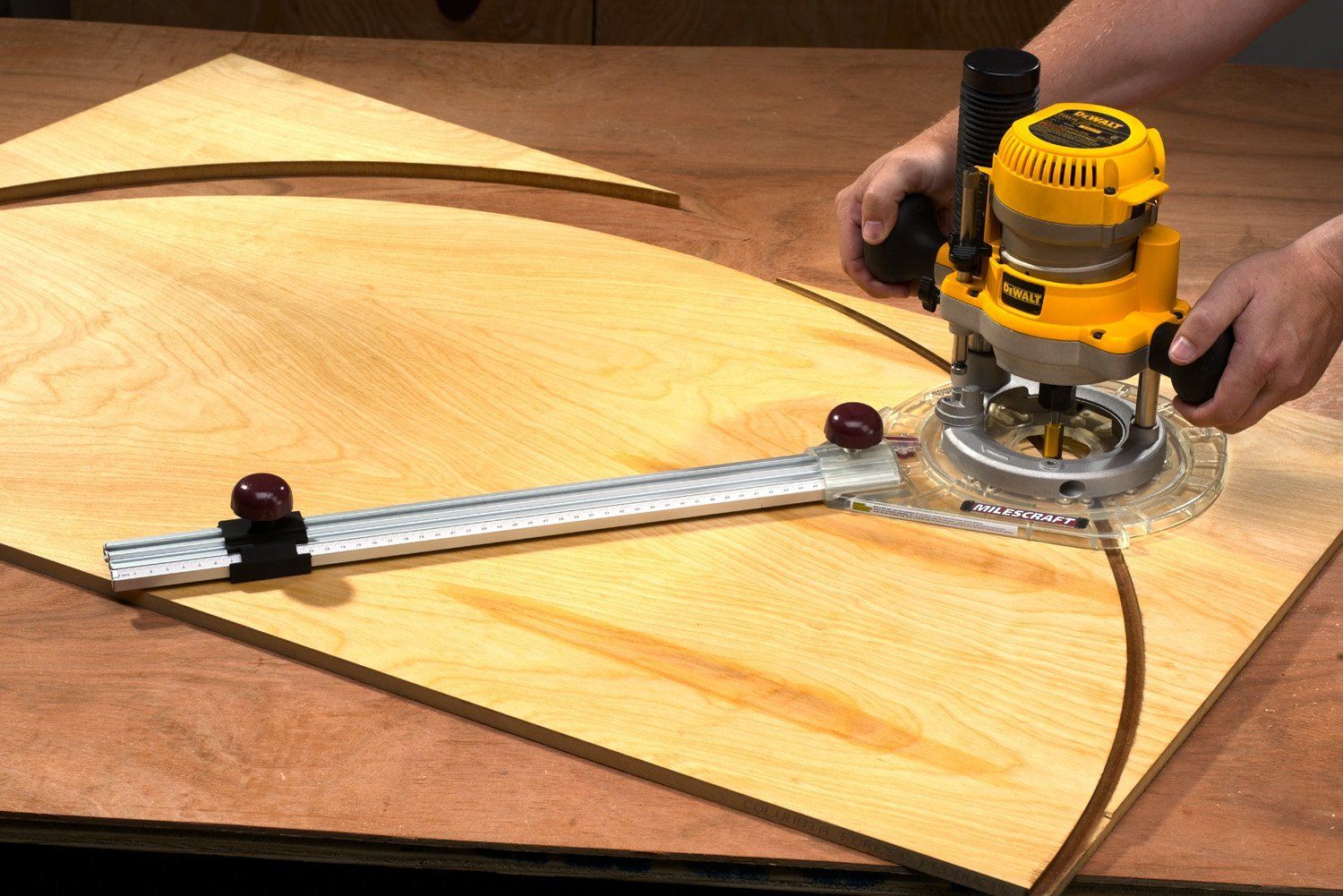
Circle cutting jig: This jig aids in creating perfect circles of various sizes, eliminating the need for freehand routing.
Table mounting: Mounting your router in a table transforms it into a stationary power tool, ideal for tasks like dadoes, grooves, and repetitive cuts. Look for routers with features like rack-and-pinion depth adjustment or baseplate access for table mounting compatibility.
Router lift: For even more control and precision when using your router in a table, consider investing in a router lift. This elevates the router and allows for fine-tuned depth adjustments.
Safety First: Remember, safety is paramount. Always wear eye protection, hearing protection, and a dust mask when operating a router.
Conclusion:
Choosing the right router can feel overwhelming, but by understanding your needs, project types, and budget, you can confidently navigate the options. This guide has equipped you with the knowledge to decipher specs, compare features, and make an informed decision. Remember, experimentation and practice are key to mastering your router and unlocking its full potential. So, unleash your creativity, explore the world of routing, and transform your woodworking projects into masterpieces!
Additional Tips:
- Don’t be afraid to ask for help at your local woodworking store. Their experts can answer your questions and recommend routers based on your specific needs.
- Start with basic projects to get comfortable with your router before tackling more advanced techniques.
- Read online reviews and watch tutorial videos to gain insights from other woodworkers.
- Invest in high-quality router bits. Sharp, durable bits will produce cleaner cuts and last longer.
- Most importantly, have fun and enjoy the process of creating!
I hope this comprehensive guide empowers you to woodworking routers and embark on your woodworking journey with confidence!
Embark on your woodworking journey armed with knowledge, skills and a passion for crafting wood into beautiful creations with the World’s Largest Collection of 16,000 Woodworking Plans.